Courses
Under the supervision of the Ministry of Culture, ESADSE offers a comprehensive range of vocational courses from foundation year to PhD. The core initial training programme is built around the classic bachelor’s-master’s-PhD model. All the teachers are active professionals acknowledged in their fields: artists, designers, writers, art critics, historians, philosophers, etc.
Foundation year
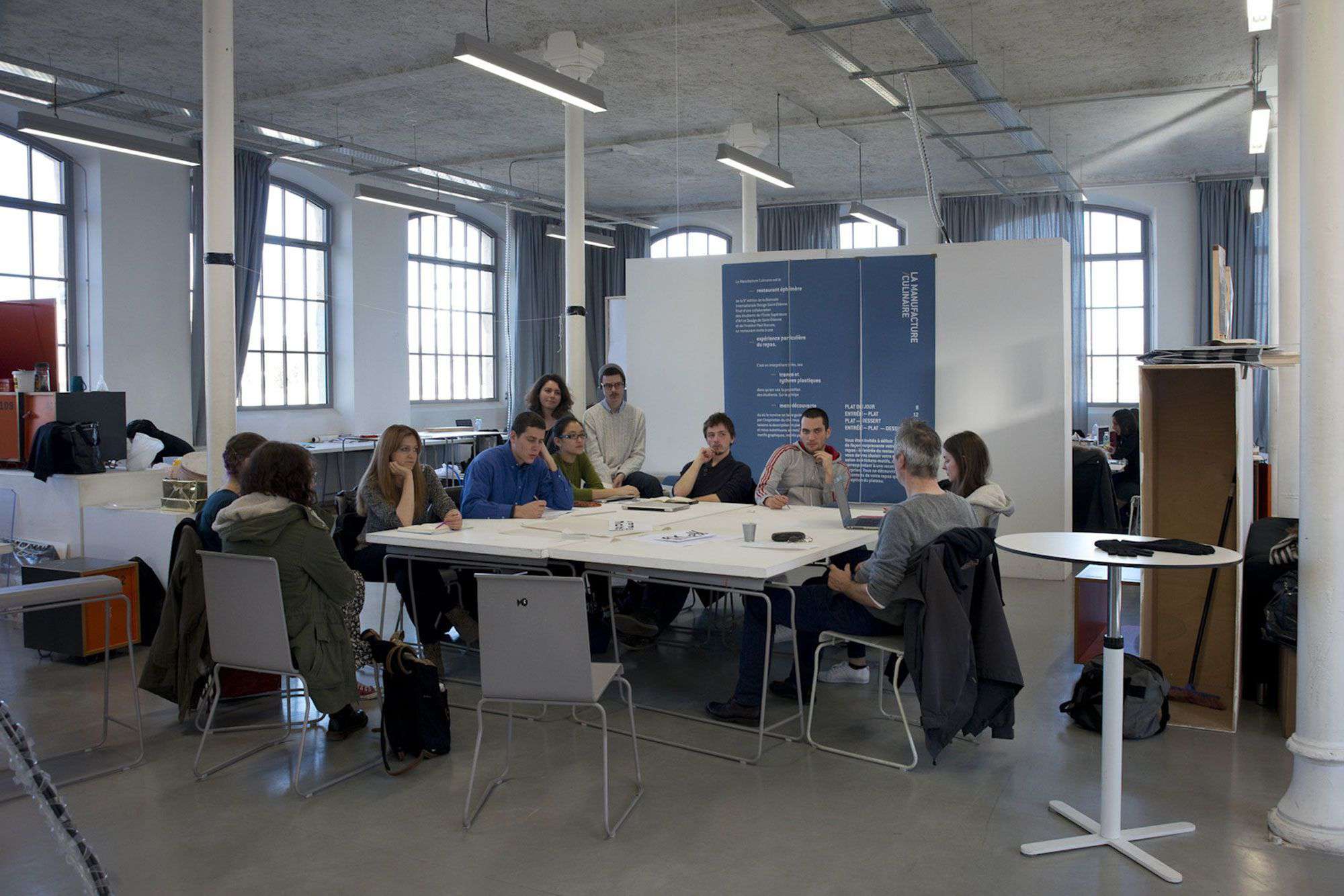
This is a "preparatory course" for students straight out of secondary education who wish to apply for courses at French art and design schools.
The aim is tobring each of them to the point where they are ready to take the entrance exams of public art schools, by building on their motivation and their desire to learn more about the world of art and culture.
Year 1
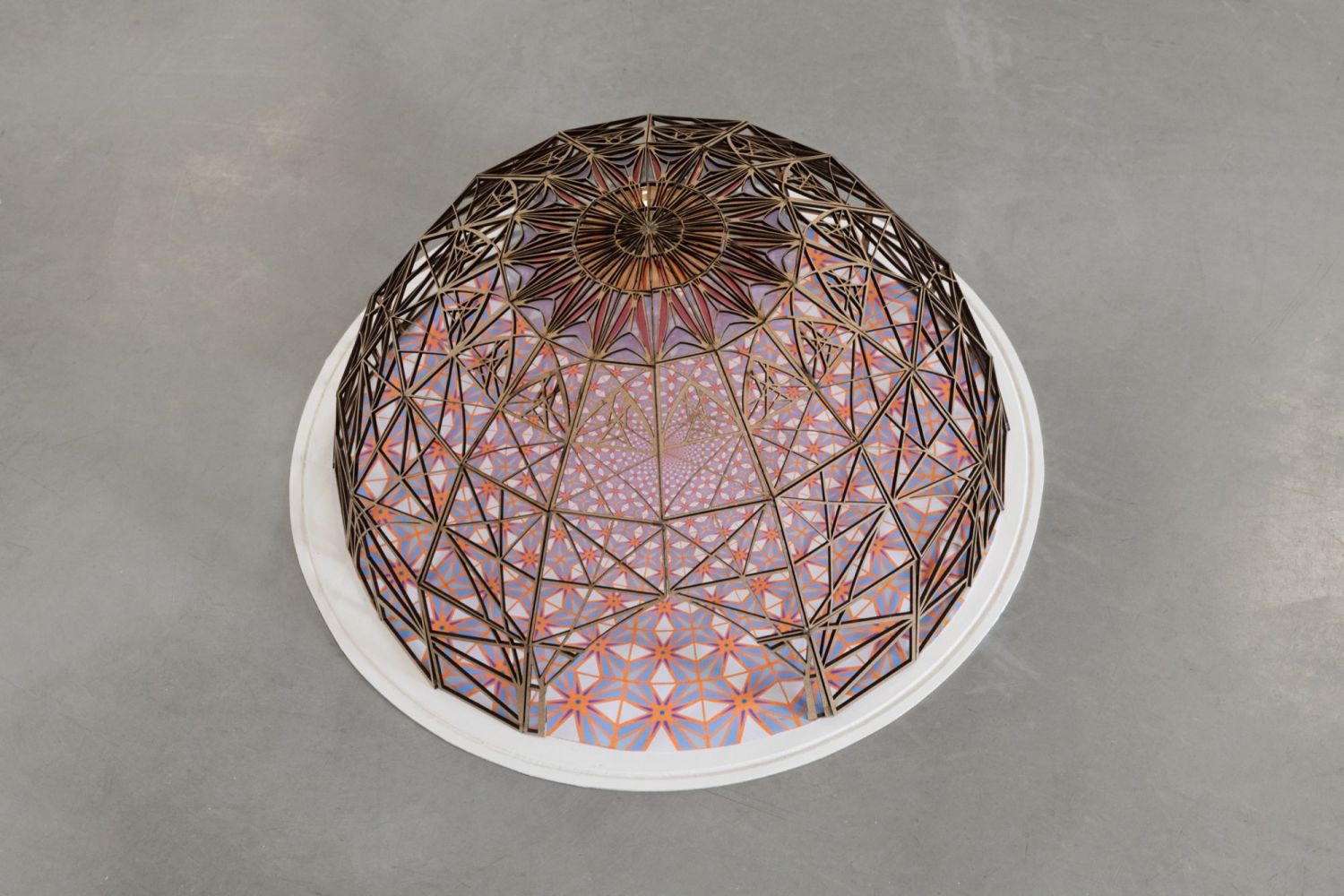
A preparatory and broad-based year
The goal of this first year is to prepare students, both conceptually and artistically, for the various paths they will be able to pursue at the school. The course units that make up this year are structured to enable students to acquire the fundamentals necessary for artistic practice; to improve their ability to work and conduct research; to become familiar with the methodological and conceptual tools needed to engage in critical reflection on modern and contemporary art as well as on their own work; and to assess the strength of their motivation and aptitude for pursuing a degree in art and design.
Translated with DeepL.com (free version)
Years 2 and 3
DNA (Bachelor’s degree)
Years 2 and 3 form the core phase of the course – the "first cycle" – preparing students to take the DNA (National Diploma in Art)
ESADSE offers two options : Art or Design. This phase consists of teaching that combines acquisition of the basics in the stream chosen and the development of experimentations that willlead students to question their own specific preferences and abilities. Aplacement of at least one month is mandatory in Year 2 or in the first semester of the third year.
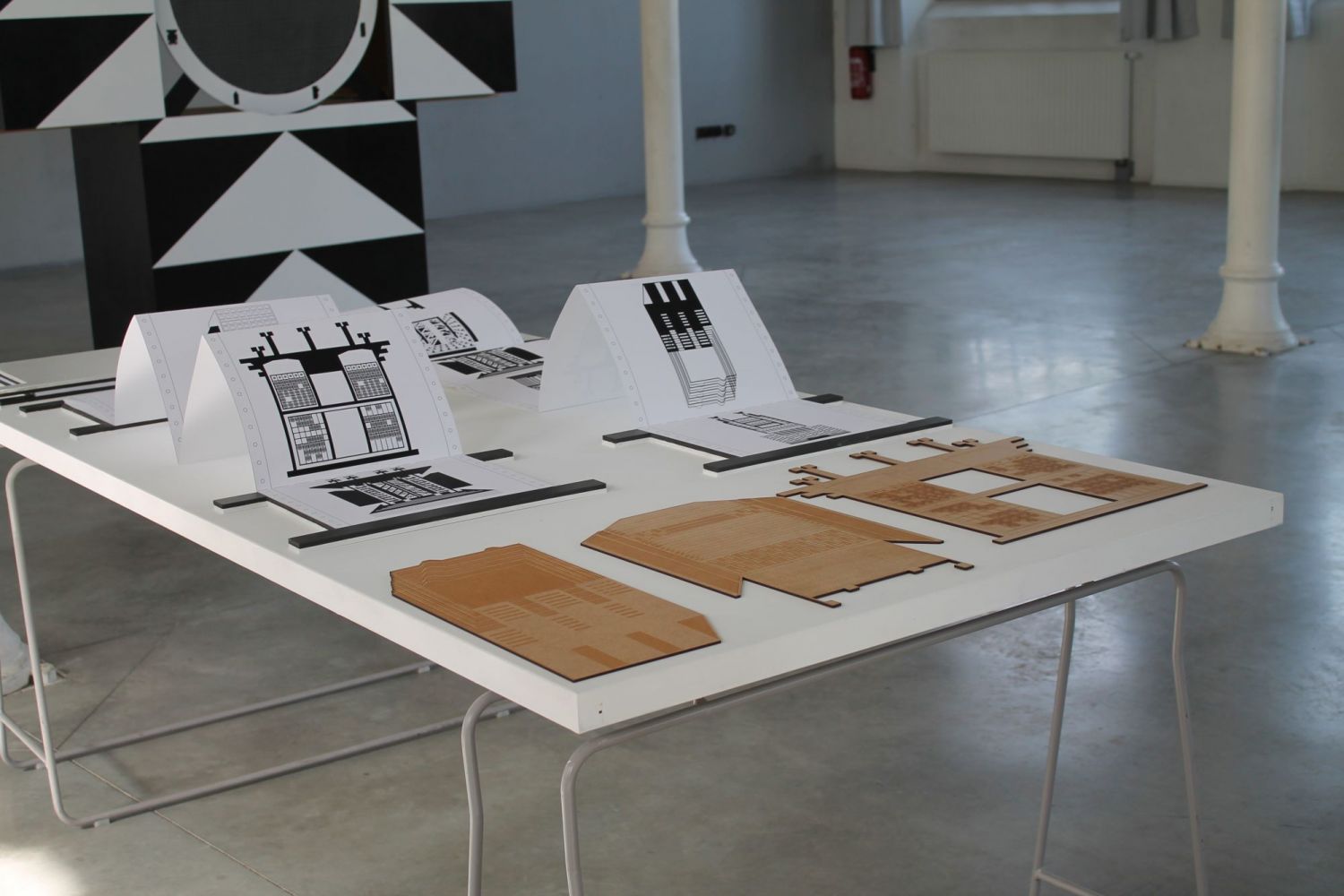
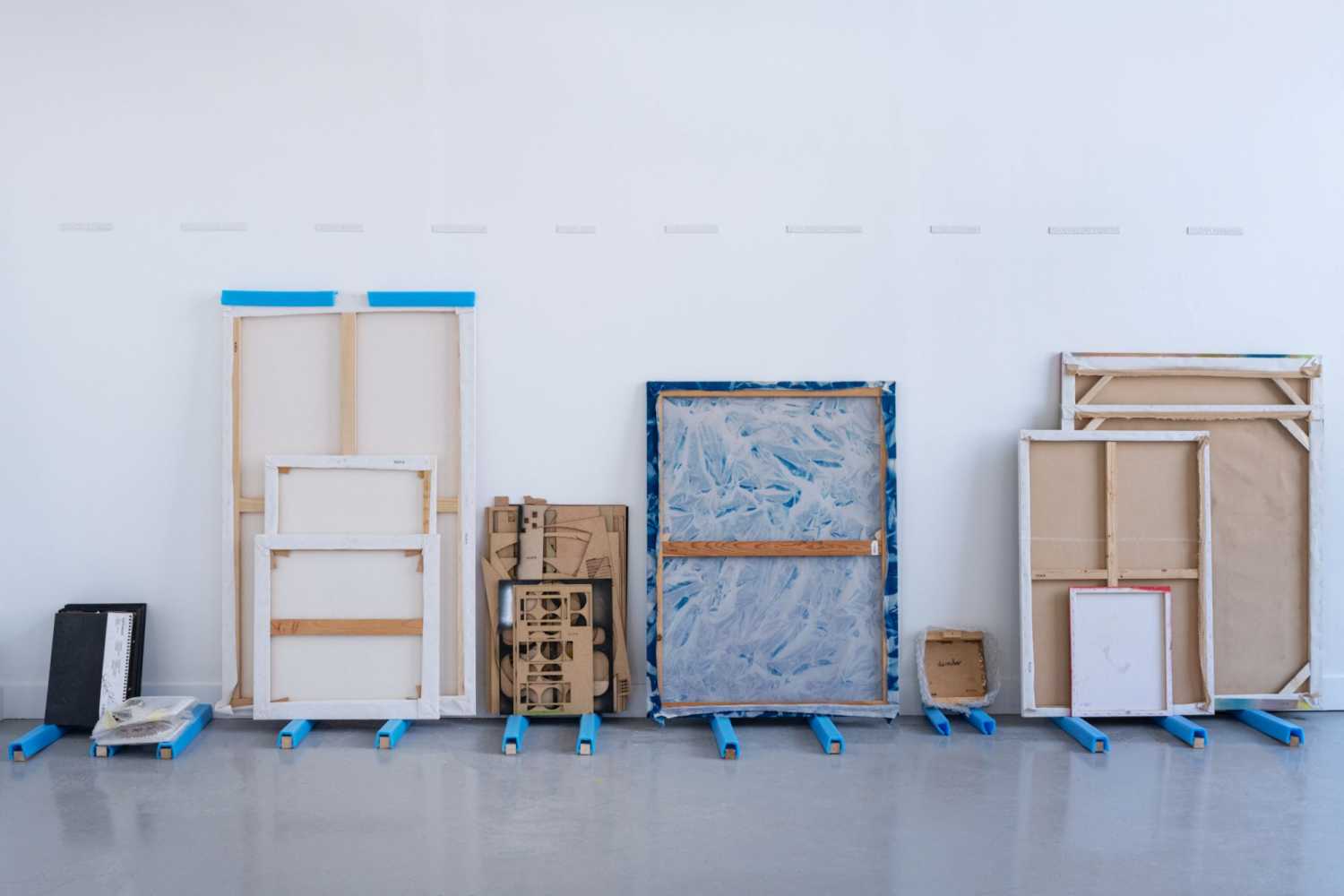
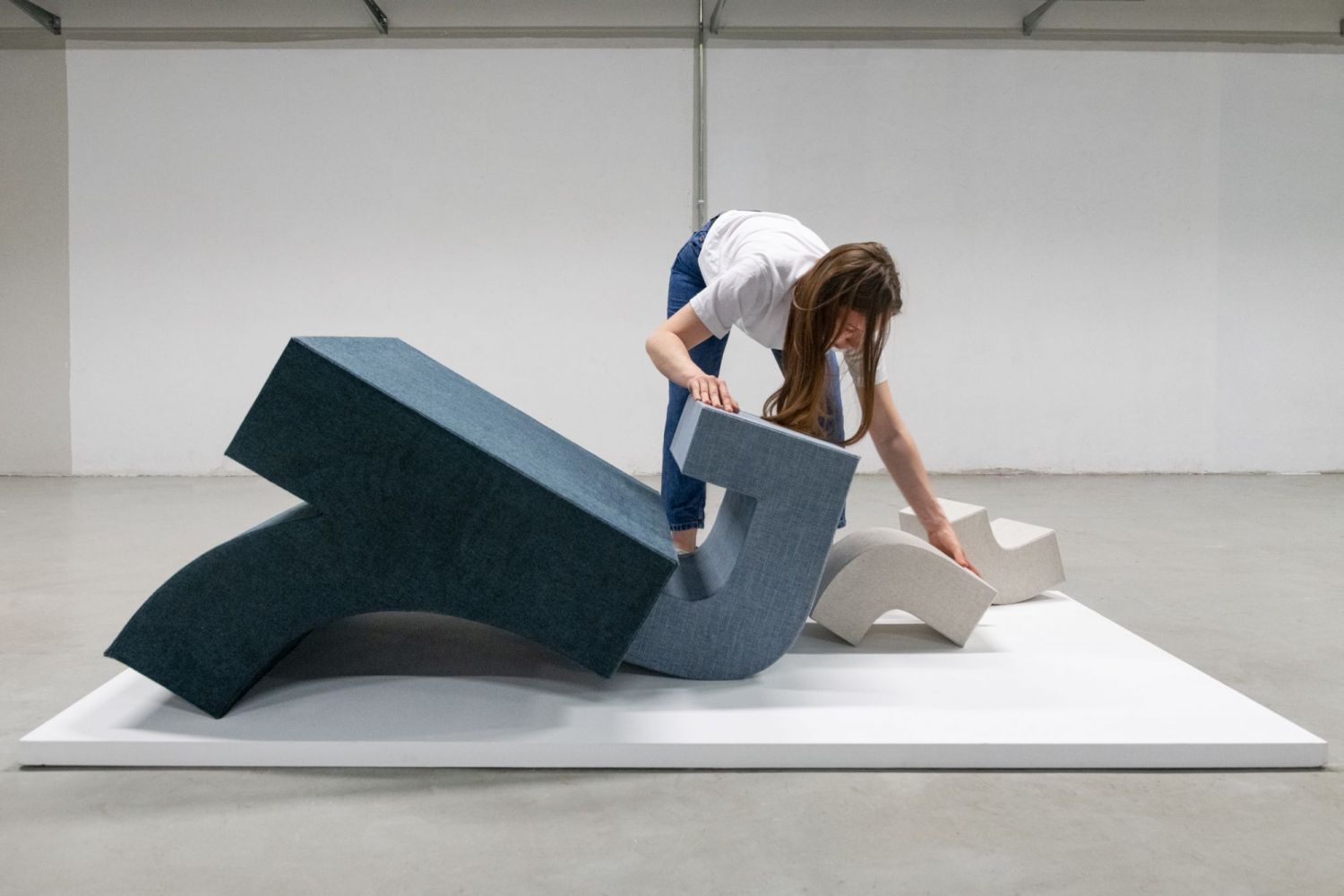
Here the corephase allows students to acquire the tools and knowledge, technical, historicaland conceptual, to be able to envisage and then develop their work, their ownworking language and even personal research. As well as teaching a variety ofartistic practices and media (drawing, photography, painting, video, volume,sound, installation, performance and new technologies), ESADSE also offers a unique training environment where students constantly have to measure themselves against a range of critical views in order to find a foundation forthe relevance of their orientations and aesthetic and cultural choices.Students develop their practice in individual and collective workshops, andtheir experience is enriched by a programme of guest interventions, trips and visits to exhibitions as well as a dense network of artistic and cultural partners.
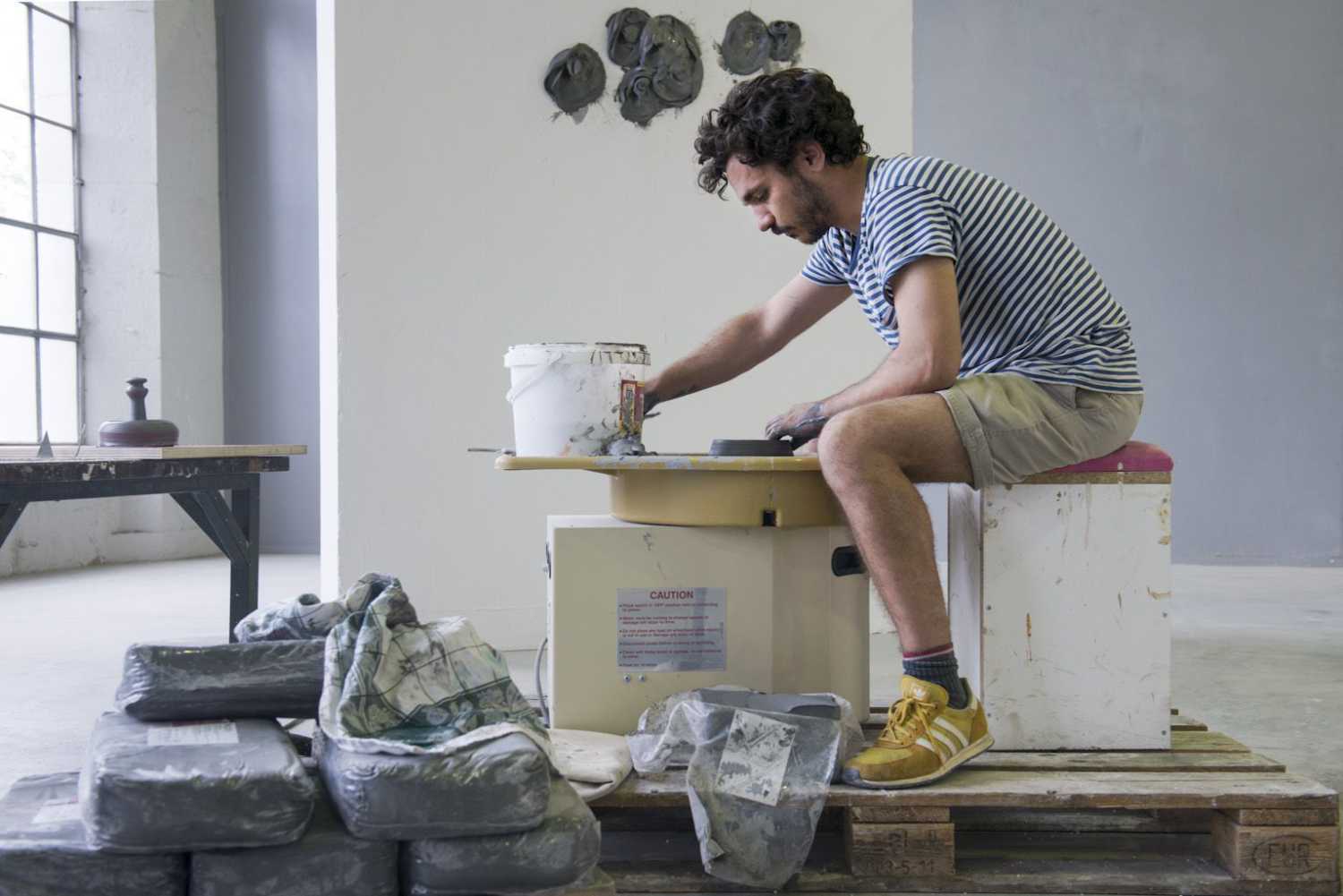
The core phase(Years 1 to 3) is designed to give students the time to explore and experiment in different creative fields, then to enable them to delve deeper into theirdiscipline in a major workshop chosen from the Objects, Spaces and Media workshops, which prefigure the second cycle options, whilst preserving a certain cross-disciplinarity through the choice of a second, minor workshop.
Years 4 and 5
DNSEP (Master’s degree)
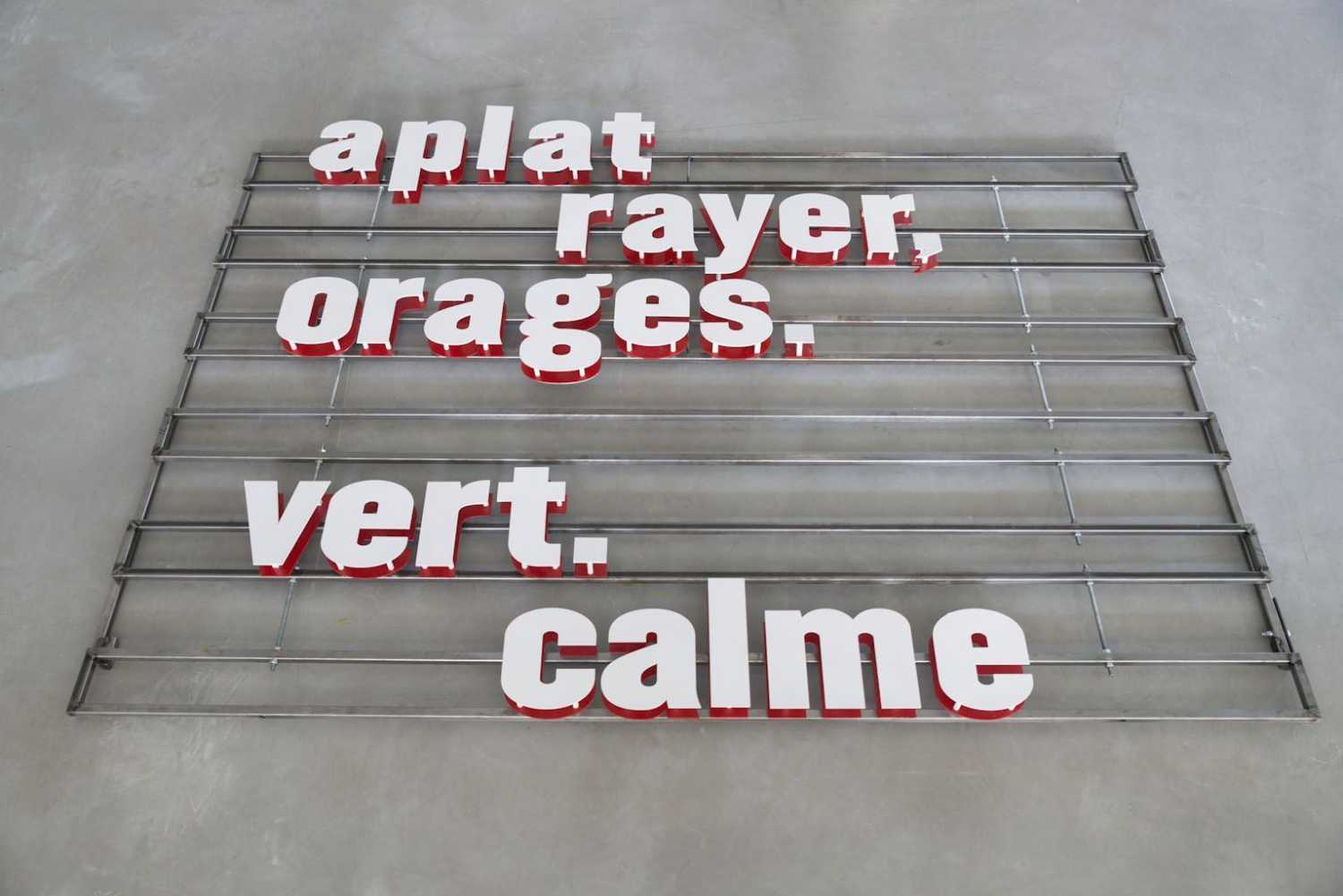
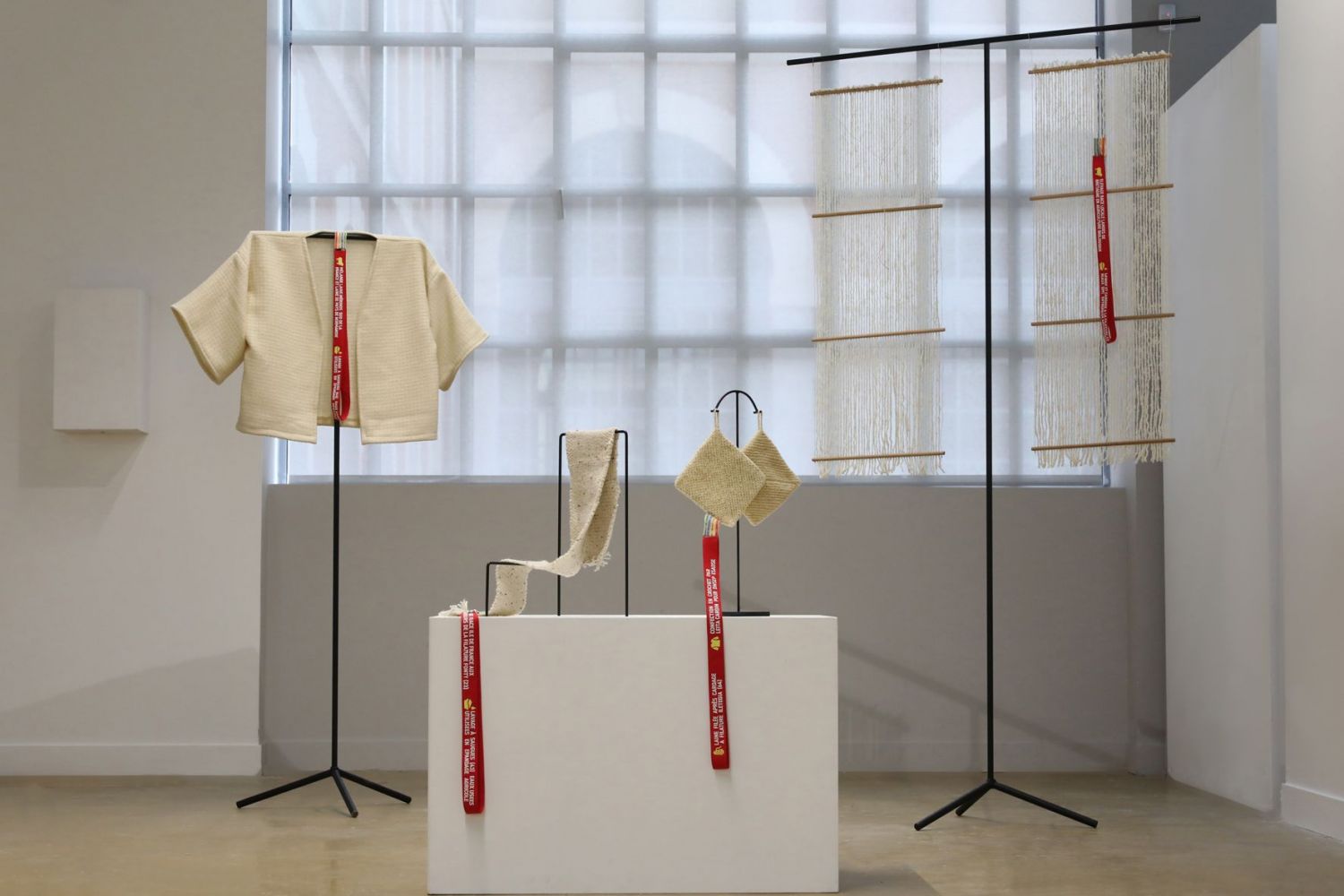
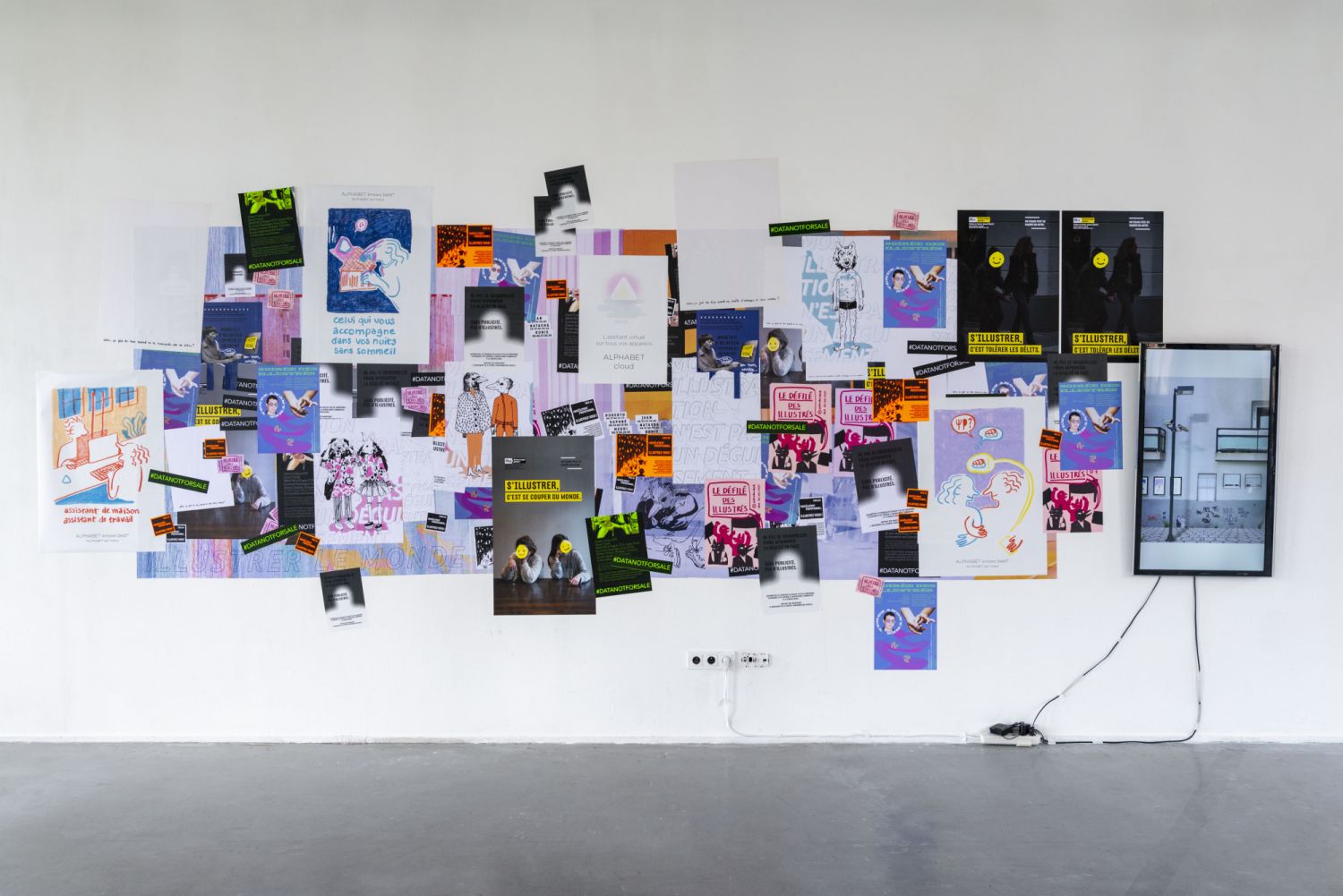
Years 4 and 5 form the project phase - the "second cycle". At the end of this phase, students take the DNSEP (National postgraduate diploma in plastic arts).ESADSE offers two options, art and design, with two particularities that areunique in France: a cross-disciplinarycourse and the possibility for all the design students to take their 5thyear as a work-study course. All the Year 4 courses in bothstreams include a placement and/or anexperience abroad.
Dual design qualifications with Tongji and Kookmin
In conjunction with the universities of Tongji in Shanghai (China) and Kookmin inSeoul (South Korea), a dual qualification programme allows students to complete a high-level international training course in two years culminating with two degrees: the DNSEP in design from ESADSE and a Chinese master’s from Tongji ora Korean master’s from Kookmin. This course is taught entirely in English.
Postgraduate/post-master’s
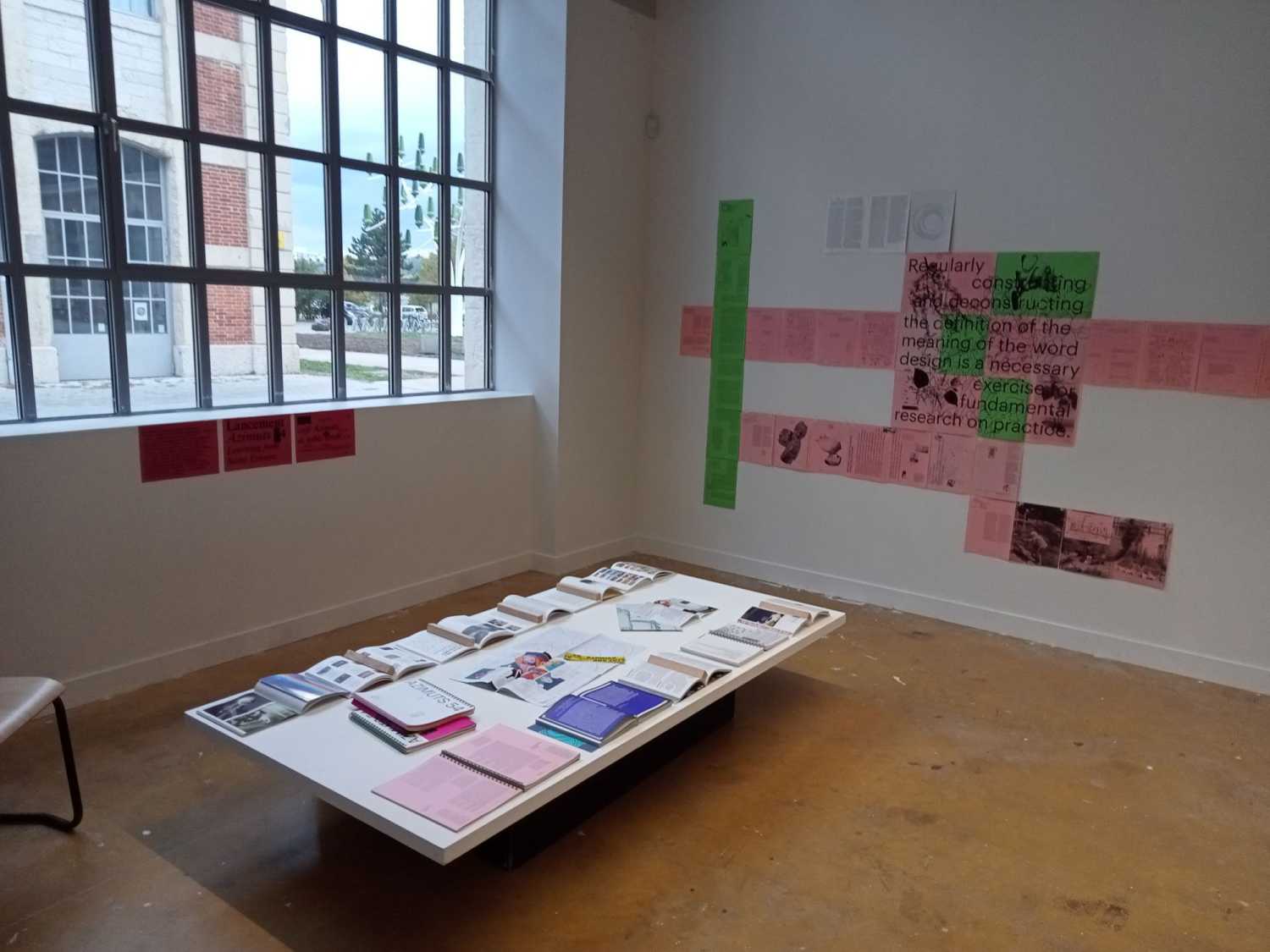
The postgraduate/post-master’s phase at ESADSE offers several types of training:two research post-master’s, a DSRD (Higher diploma in design research) and aPhD in Industrial Arts (in partnership with Jean Monnet University).
⚠️
Votre navigateur est obsolète, l’affichage des contenus n’est pas garanti.
Veuillez effectuer une mise à jour.
Votre navigateur est obsolète, l’affichage des contenus n’est pas garanti.
Veuillez effectuer une mise à jour.